
Cathodic protection & coating surveys
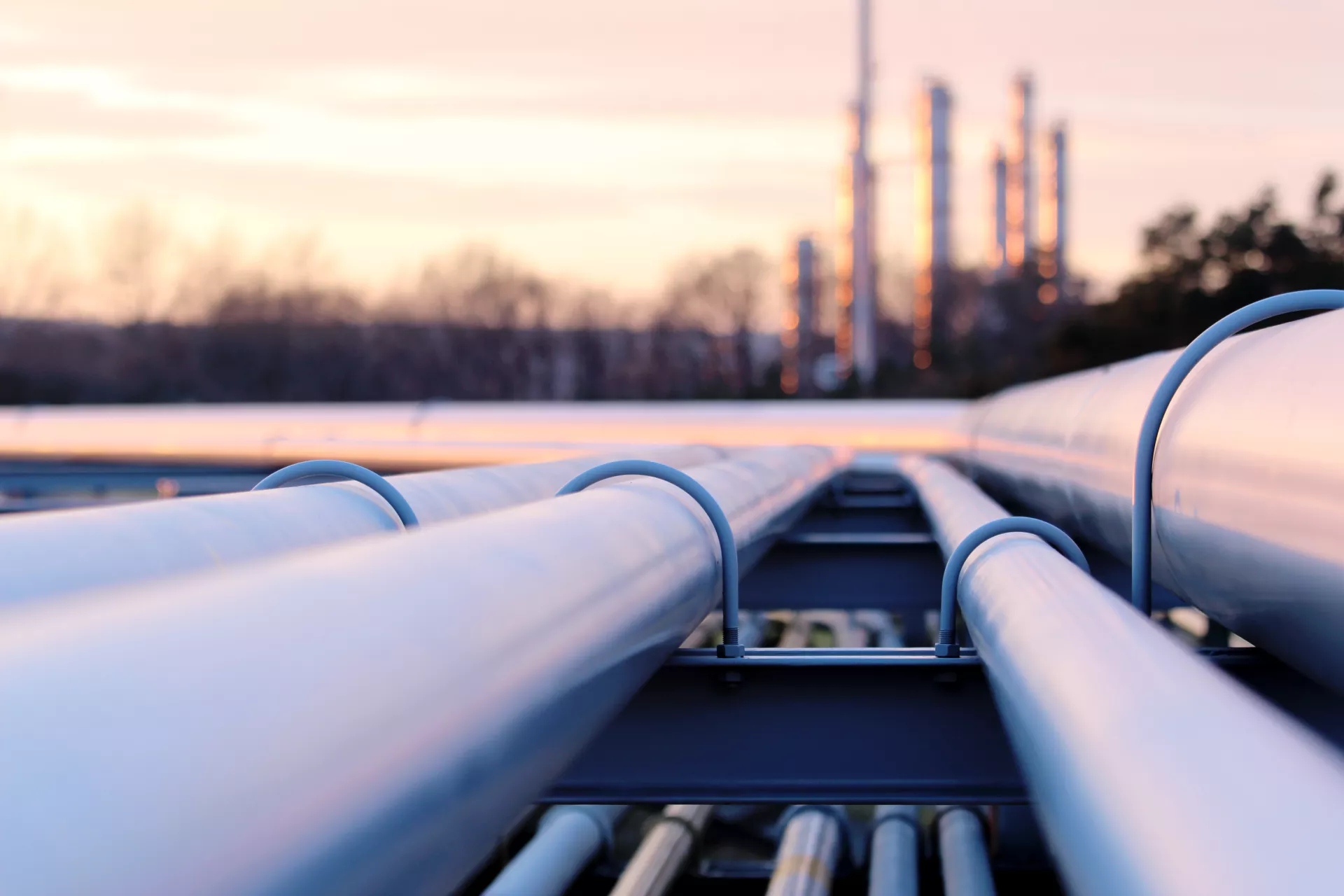
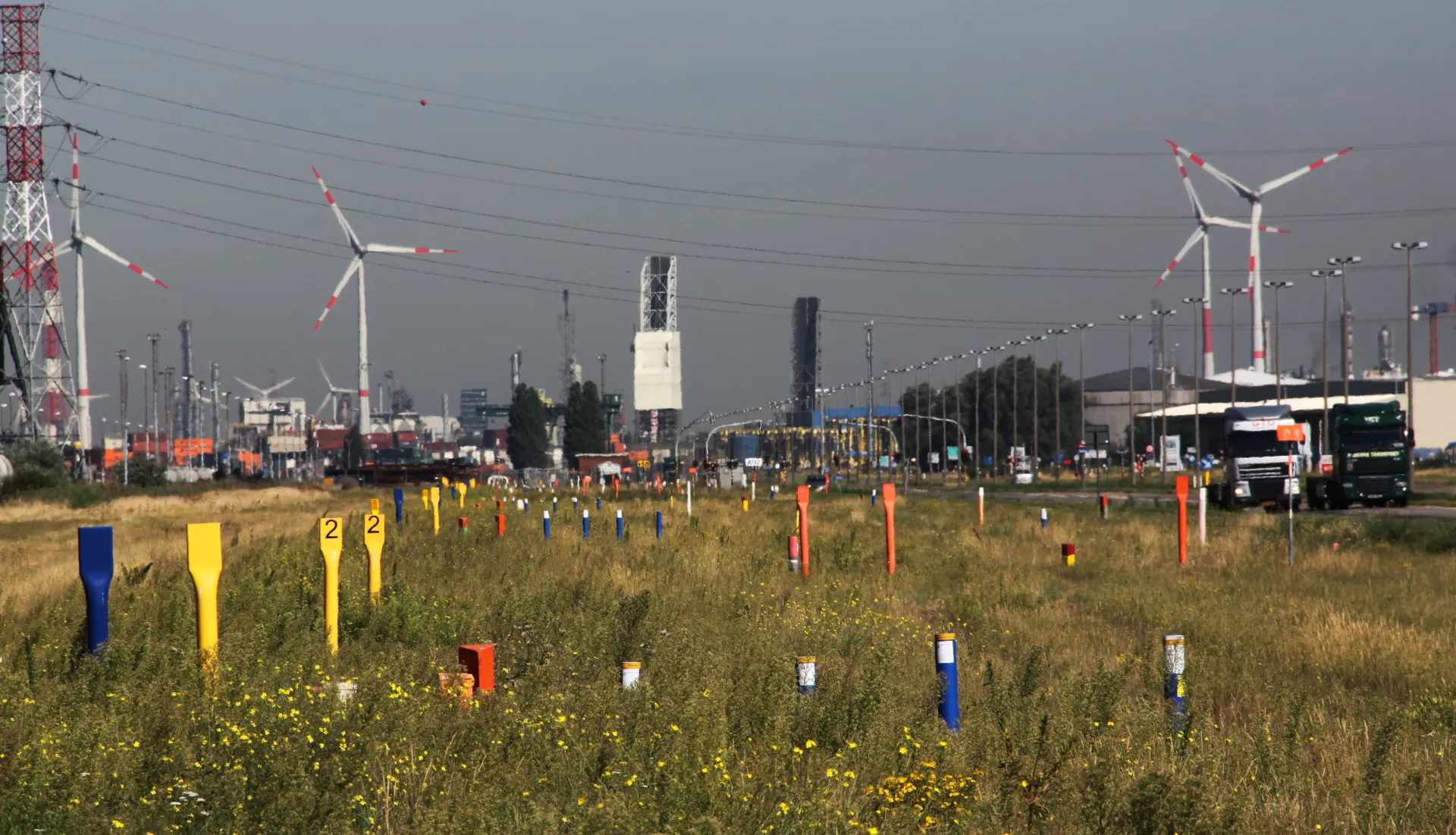
Buried pipelines are subject to external corrosion caused by the soil environment. External coating and cathodic protection systems are used to protect the pipelines as part of corrosion integrity management.
Both CP and pipeline coating systems need to be monitored to avoid malfunctions, the beginning of corrosion, or even worse; a leak on a weak spot of the pipeline.
Our Pipeline Management team specializes in cathodic protection and non-destructive coating survey techniques. Moreover, our own PIMS software called PRIMS, enables full analysis of your cathodic protection system and coatings.
Visualize critical pipeline locations or inadequate CP systems so you can perform proper maintenance activities.
Case study
Discover how we help BASF in the Port of Antwerp manage and improve their cathodic protection system.
Cathodic protection surveys
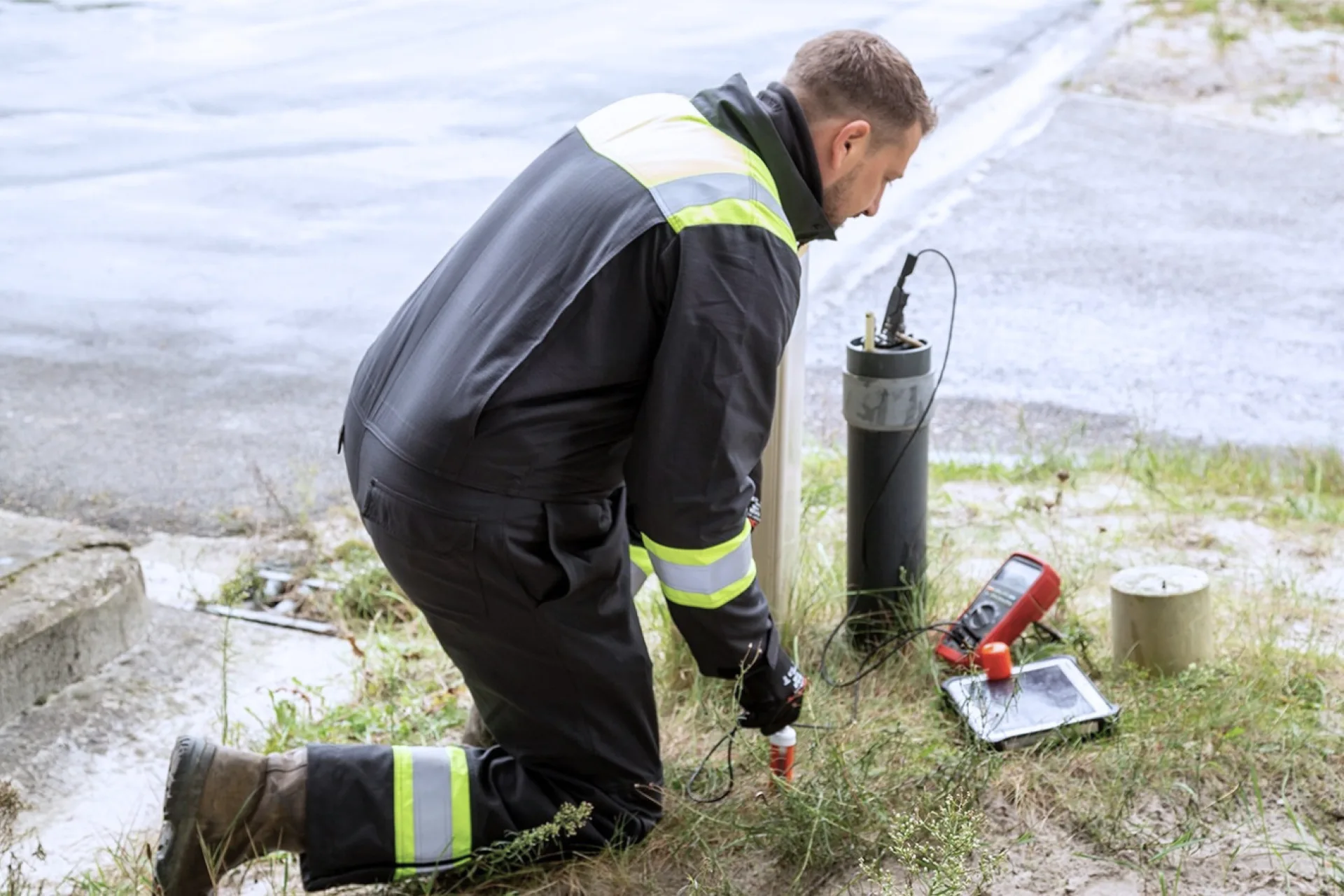
We provide ON-potential data logging as a basic survey, ON/OFF potential data logging such as 24h measurements and Close Interval Potential (CIP) surveys. The status and function of your CP system can be tracked and documented in our Pipeline Integrity Management Software PRIMS.
Non-destructive coating survey techniques
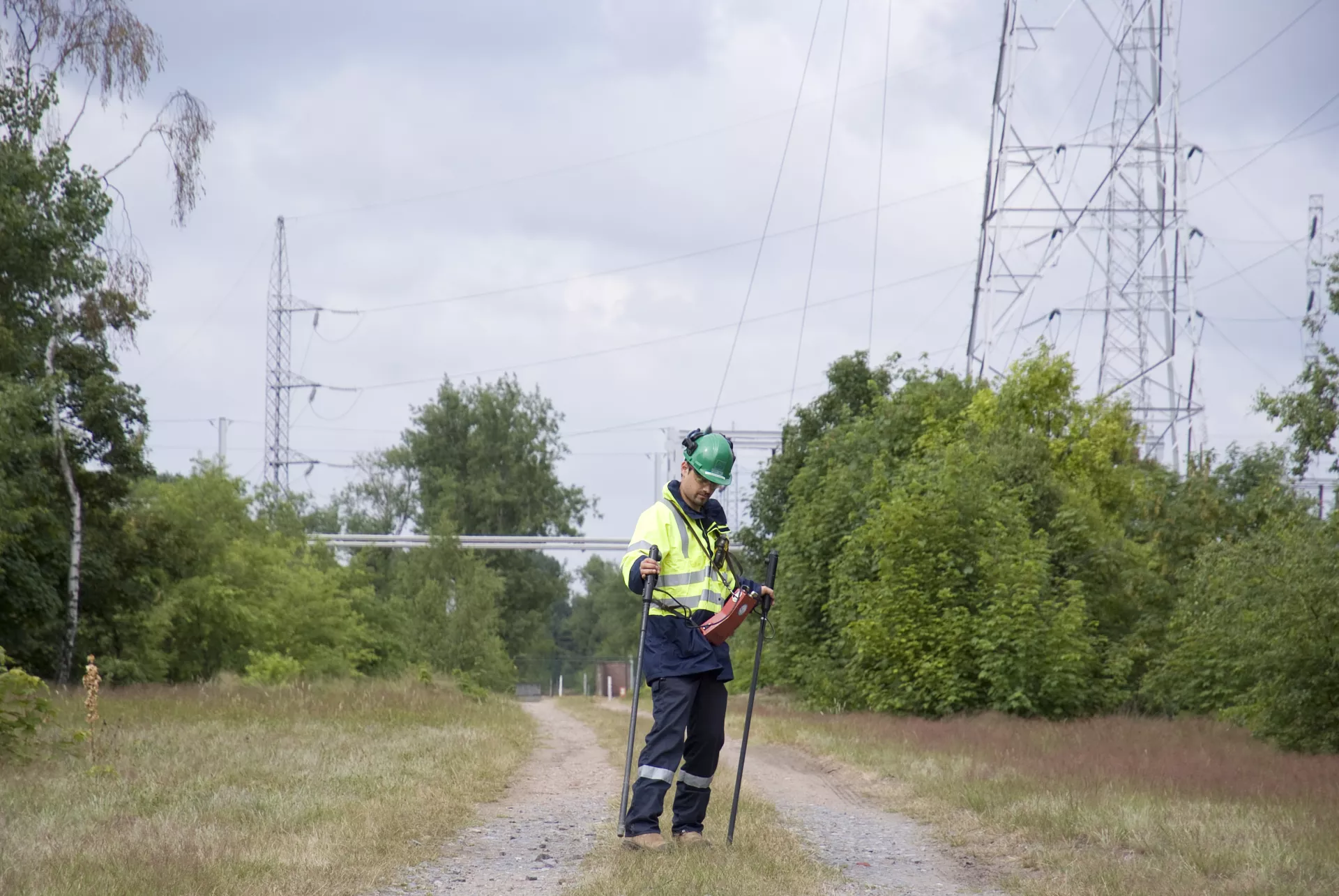
Our inspectors specialize in Direct Current Voltage Gradient (DCVG) Survey, Pearson surveys (ACVG), impressed current measurements or Pipeline Current Mapping (PCM).
CP analysis with Pipeline Integrity Management Software
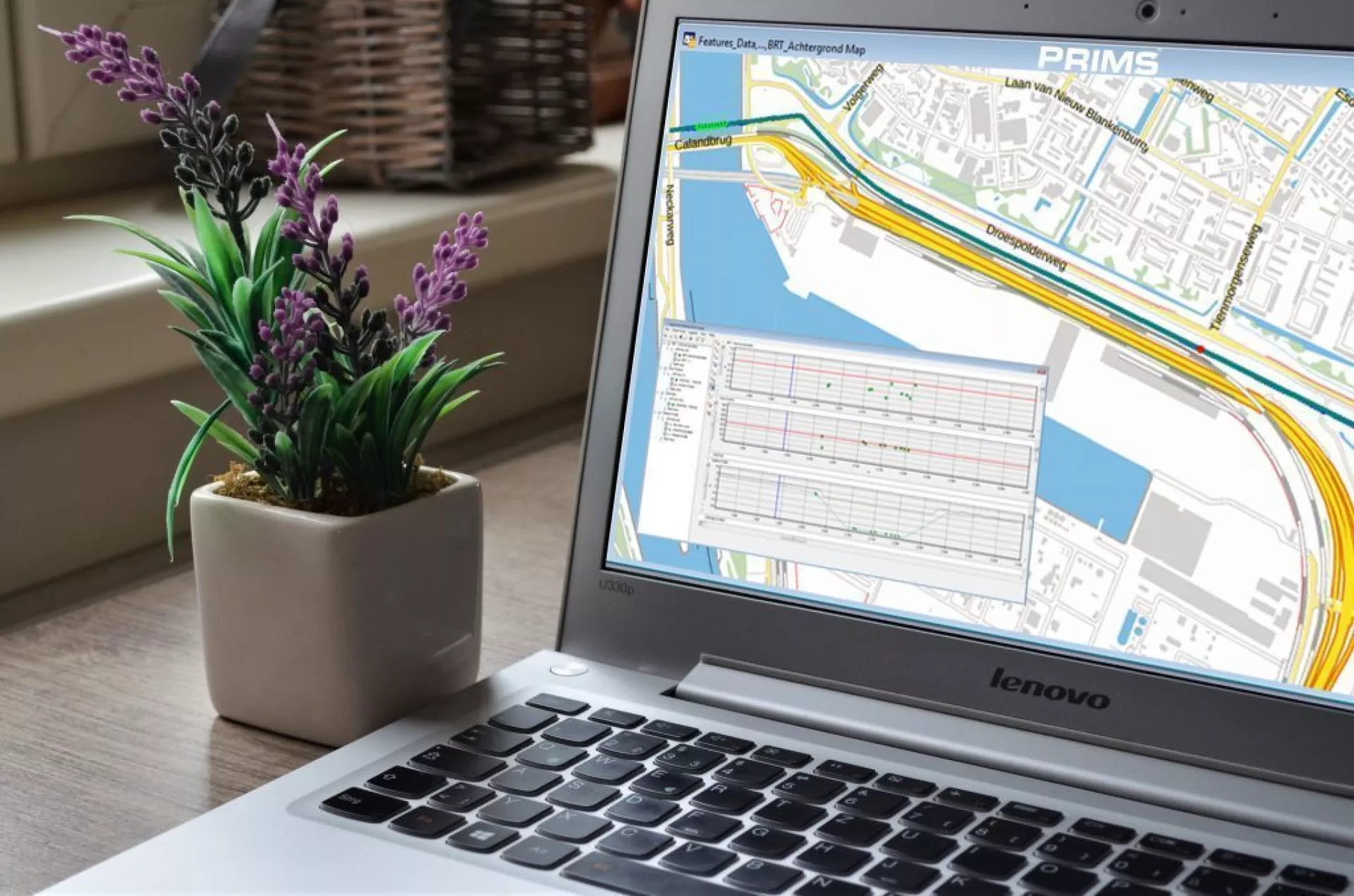
Track and document the status and function of the cathodic protection system with our PRIMS software application.
View and analyze trends and highlight any deficiencies. Combine standard CP data effortlessly (in PCA module) with DCVG, ACVG, CIPS and ILI data to get insight in the physical condition of your pipeline and coating.
Minimize risks
Extend the lifespan of your pipelines
Track your CP system
Continuous cathodic protection monitoring
Cathodic protection (CP) is used to protect your pipelines against (beginning) corrosion. To monitor the CP system of your pipeline network 24/7, Aellia delivers an IoT-based solution together with its specialized partners.
IoT measurement devices are installed throughout your pipeline network. They monitor the voltage and current of your CP system 24/7 to check whether your pipelines are still fully protected. All the findings detected by the IoT sensors can be managed in our cloud-based CP monitoring software application.
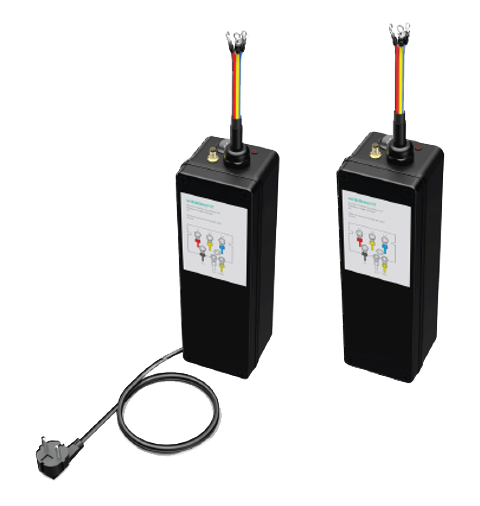
Make strategic decisions based on accurate data, reduce costs, and manage risks on your pipeline network with continuous cathodic protection monitoring.
Datasheet
Discover the functionalities of the software application and how the IoT sensors work.