
Leak Detection And Repair – LDAR – Fugitive Emission Management
LDAR or more specifically Leak Detection and Quantification (LDAR) is a program that identifies unintended or fugitive VOC and methane emissions from equipment in an oil and gas, chemical, or petrochemical installation. LDAR drives maintenance activities to reduce emissions to the atmosphere effectively.
Once the initial preparation phase is done, every potential leaking source is examined on site by technical specialists with best available techniques (FID / PID, OGI cameras, High Flow Sampling etc.). All emission data is then processed and put in a compliant report.
Your trusted LDAR partner
Since the EU Methane Regulation was launched, LDAR has become much more complex.
Requirements of the EU Methane Regulation include:
- emission measurements from venting and incomplete combustion. Measuring fugitive emissions is only part of the puzzle.
- specific deadlines to hit
- different measurement frequencies for different asset types
- faster repair of leaks and defined repair thresholds
Aellia is specialized in managing emissions and has over 30 years of experience, with over 13,000 executed projects in more than 40 countries worldwide.
Working with us means you can rely on accurate and high-quality LDAR measurements and advisory so you can minimize product loss and save costs.

The EU Methane Regulation is here
The Regulation entered into force on August 4, 2024. LDAR surveys have now become much more complex. We're the one stop shop for compliance with this regulatory framework.
Smart LDAR – Optical Gas Imaging
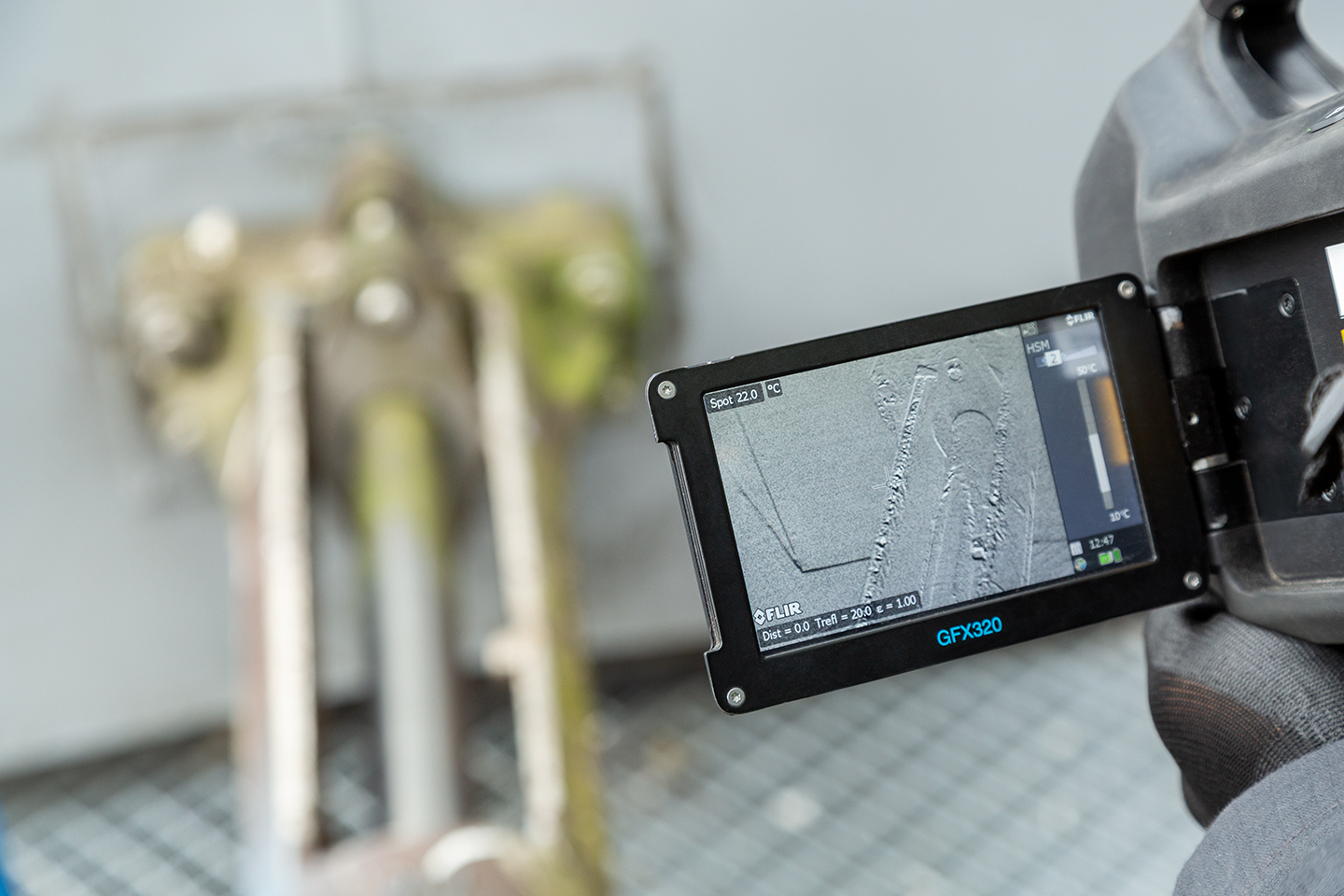
OGI (Optical Gas Imaging) is a screening technique to visualize gas emissions from a leaking source in an installation. This technique allows a quick scan of a large area or a scan of hard-to-reach sources such as non-accessibles, detecting the most important leaking components.
The OGI technique can be used as a standalone service where we provide ‘leak’ or ‘no-leak’ information. OGI can also be integrated into existing LDAR programs as so-called Smart LDAR programs.
In this case, we process the limited information expressed in ‘leak’ or ‘no-leak’ into mass leak information kg per year based on emission factors per source type and sensitivity of the camera. Screenings are compliant with local regulations or customer-specific protocols.
Emission Quantification
The quantification process is crucial as it helps in assessing the severity of the leak and determining the appropriate response. Proper documentation of the quantification process is also essential for compliance with regulatory standards and for maintaining a paper trail of all leak detection and repair activities.
At Aellia, we use the best equipment tailored to your specific situation and needs. Examples of technologies are:
High Flow Sampler
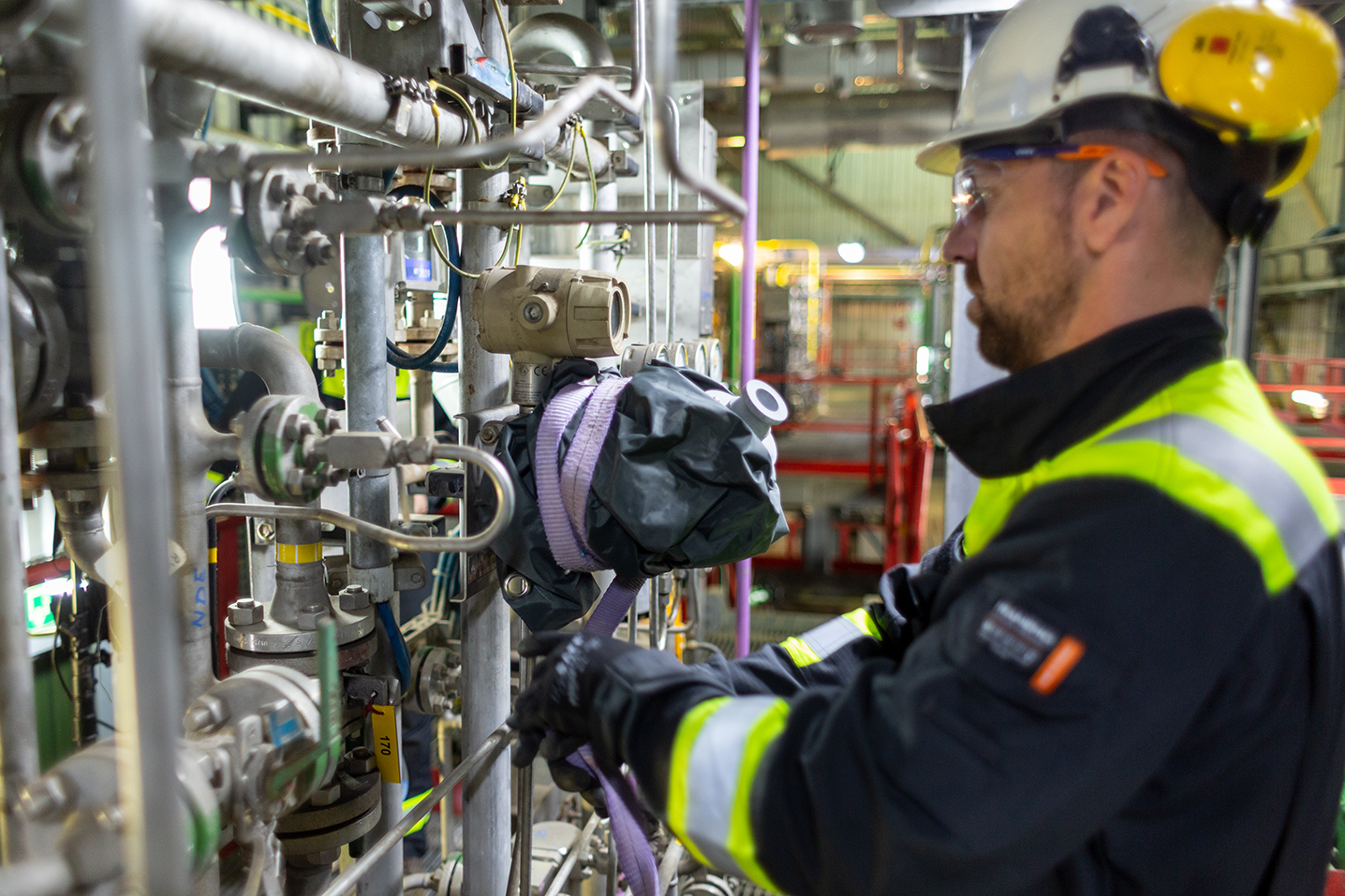
This EPA Rank 1 measurement tool provides the most accurate field measurement for leak quantification. Accurate High Flow Sampling data can be compared with other emission data, obtained by LDAR programs, or other emission factors and allows ranking of gas leaks in leak-rate order to prioritize and justify repairs.
Thanks to the High Flow Sampler measurements, users can determine the potential savings in lost gas by repairing a leak and determine payback periods for particularly expensive repairs.
qOGI – Quantitative Optical Gas Imaging
This technique provides immediate results for the quantification of gas. It combines the existing OGI technique with a qOGI solution.
It visualizes and quantifies leaks in:
- units of mass and volumetric leak rates
- concentration over pathlength (ppm-m)
It also allows the quantification of methane and other hydrocarbon leaks of non-accessible sources.
TotalEnergies Belgium
What does 20 years of LDAR for TotalEnergies in the Port of Antwerp tell us?
Gasunie
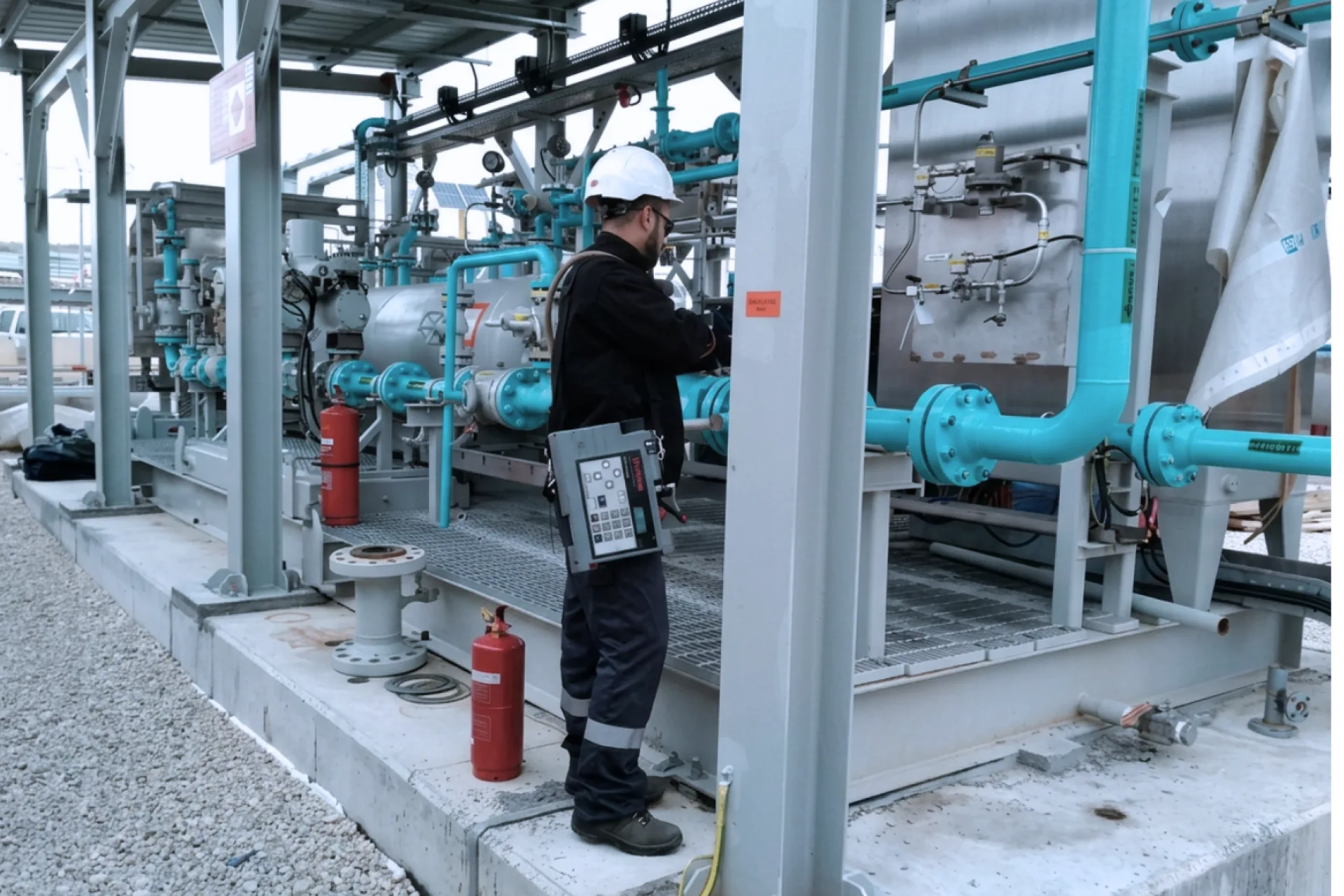
Gasunie has realized significant results over the years with our LDAR program and emission quantification.
Shell Deutschland GmbH
According to Shell Deutschland GmbH, LDAR is more than just holding a camera. Why did they reach out to us?
Regulations, standards, and protocols we can help you comply with
|
|